
Handwoven rugs depict a host of rather interesting symbols. Traditional symbols on hand-woven rugs bear witness to many of the beliefs and superstitions that are held in central Asian countries where the art of weaving was born and still thrives. A pattern has three fundamental elements, a unit, repetition, and a system of an organization which can be interpreted in a curvilinear or rectilinear manner.
The patterns in the Persian rugs bought from any reputed Persian rugs wholesaler depicts designs that were made thousands of years ago and have been handed down from one generation to the next. These hand-woven rugs are unique as you won’t find two hand-knotted rugs that look the same. People from various regions – tribes, villages, cities – use different designs and materials in the construction of rugs.
Any Oriental rug design that is bought from any reputed Persian rugs wholesaler contains certain components that remain same in all the rugs:
Borders :
 There are usually two borders on a rug one is the main border which is the widest section of design around the outside of the rug, while another border is the guarded border that is usually narrow and lies inside the main border.
Field : The field is the colorful background inside the borders.
Medallion : Often, rugs feature a medallion in the center of the field. The medallion is a large shape which can be round, oval or polygonal and sits prominently in the middle of the rug.
Corner brackets, quarter panels or spandrels: These are designs that fill the corners of the field.
Some Common Symbols on Oriental Rugs
Birth Motifs
• Elibelinde : This symbol represents the mythological goddess of the same name and it looks like a figure of a person.
• Ram’s horn : A Ram’s horn symbolizes masculinity. The central part of the design represents male fertility and power.
Life Symbols
• Comb and earrings : These two symbols reflect a desire to marry. The comb is a nuptial accessory, while the earrings are a common wedding gift.
• Sandikly – hope chest/ trousseau: This symbol reflects the objects that girls weave for their trousseaus before they get married. These objects include small purses, kilims, scarfs, belts, and garments.
• Yildiz – stars: Stars are a symbol of happiness and a life full of hope.
• Ying-Yang : This Ying-Yang holds a different meaning to that of the more common Ying-Yang. It symbolizes a balanced relationship between women and men.
Afterlife symbols
Birds : Birds symbolize the flight of the soul to heaven.
Vulture : This kind of bird is particularly important as it indicates the souls of the dead.
Tree of life : This is the most widely-known symbol of immortality.
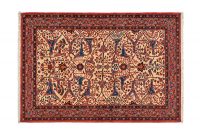 Keep in mind that recognizing a handmade rug is a difficult thing to do. Some of the facts on the basis of which rug can be distinguished are color, design, and craft. The skills which have been used at the time of weaving the rug, as well as the material used and a number of knots placed on the rug is also a big measure of the quality of these handmade rugs.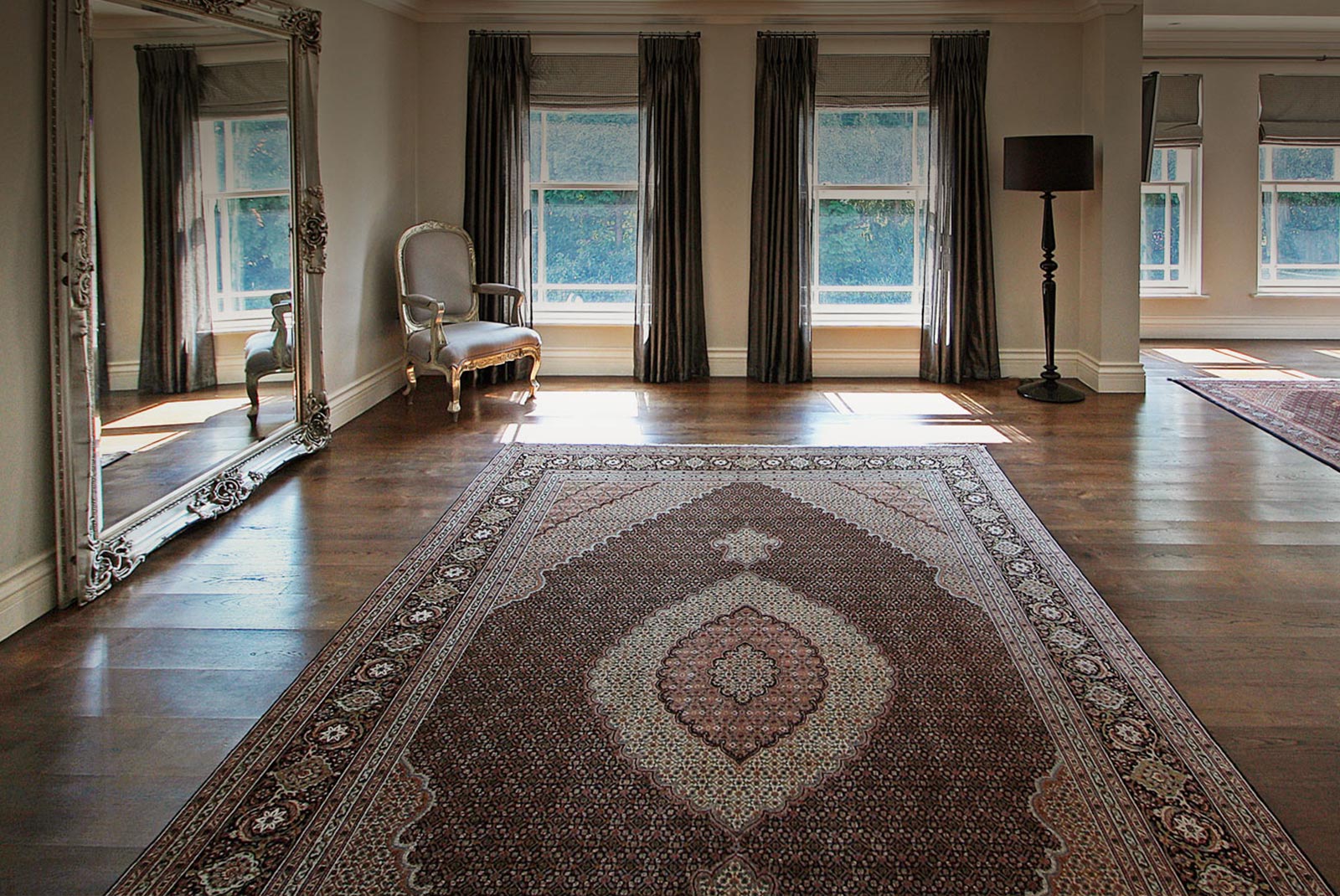
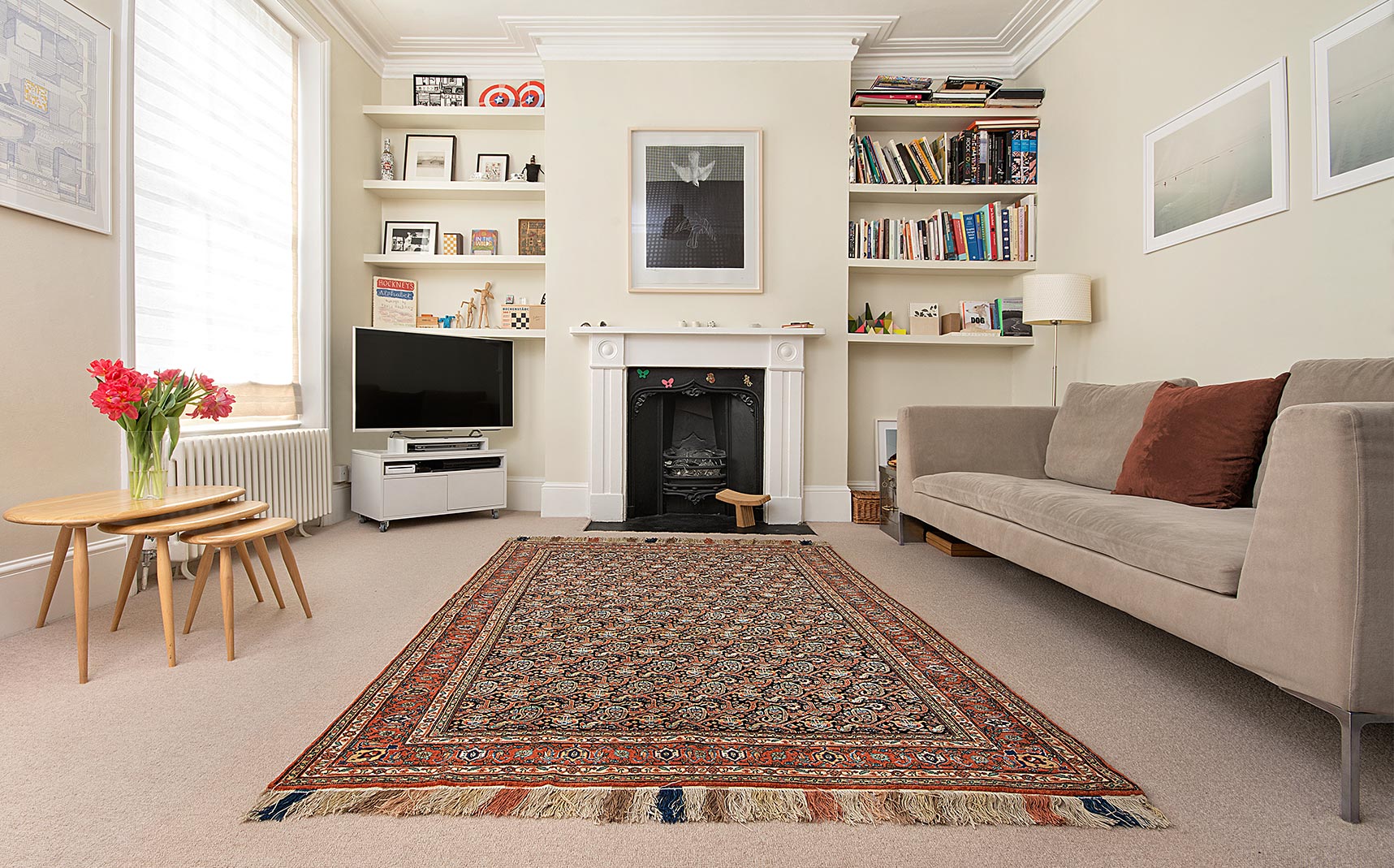
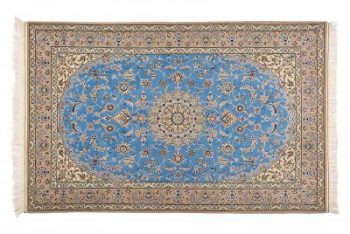 If you have a small room refrain from using dark-colored rugs as it will make the already small room feel even more enclosed. Using rugs in lighter shades make the room feel freer, airier and more expansive so it is advised to use rugs with plenty of pale colors in them.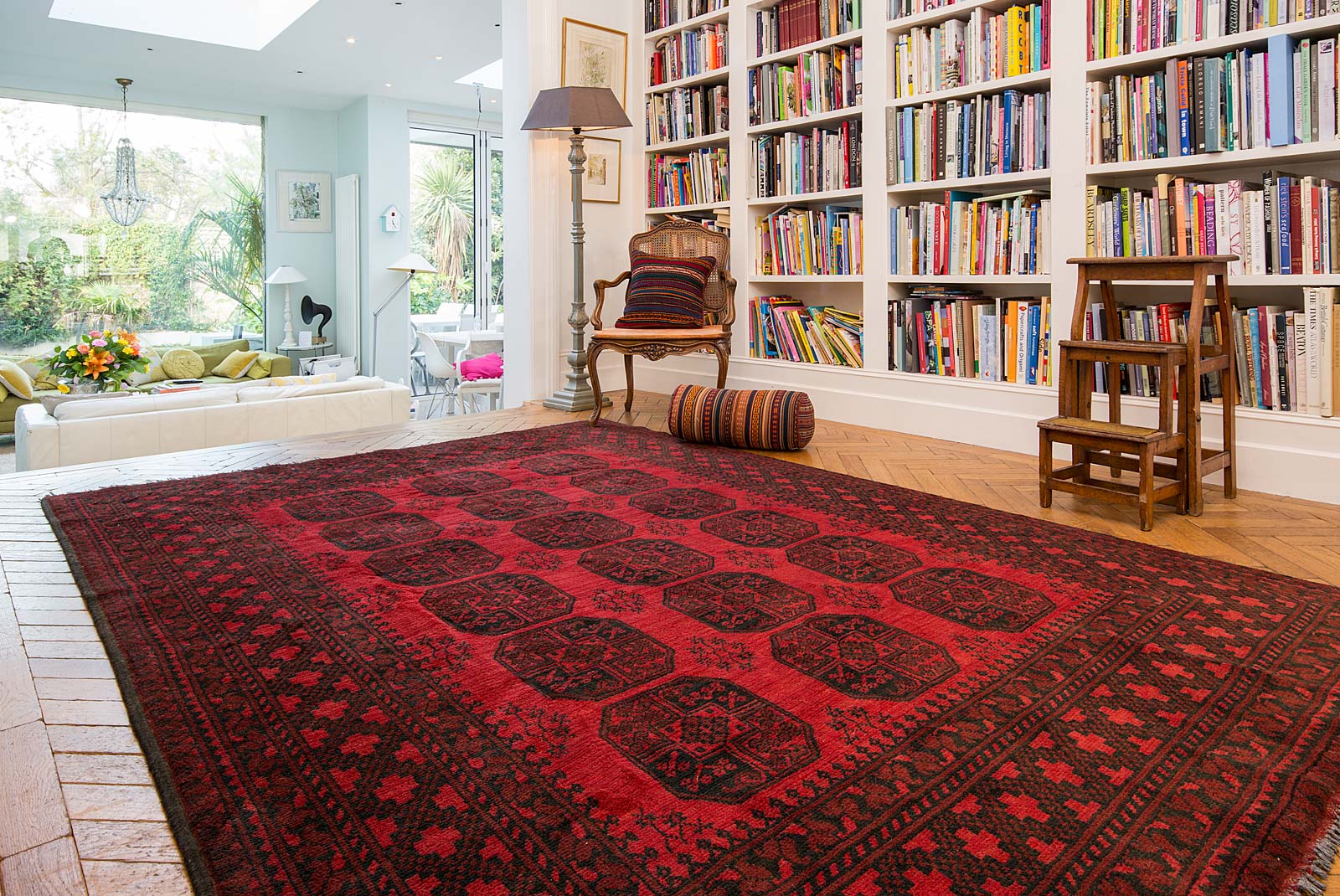
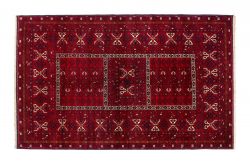 Don’t expect to evaluate the true craftsmanship of authentic Afghan rug as it takes several years of knowledge. But as a beginner, you can use some basic knowledge. Firstly, a perfect Afghan rug must lie flat and straight. There should not be any crooked or raised corner. Secondly, you should focus on the edge of the rug. Make sure the edges are tight and even. Then, you should also observe the knots at its back. If you find the rug’s back absolutely perfect in line, you should consider it as machine-made rug.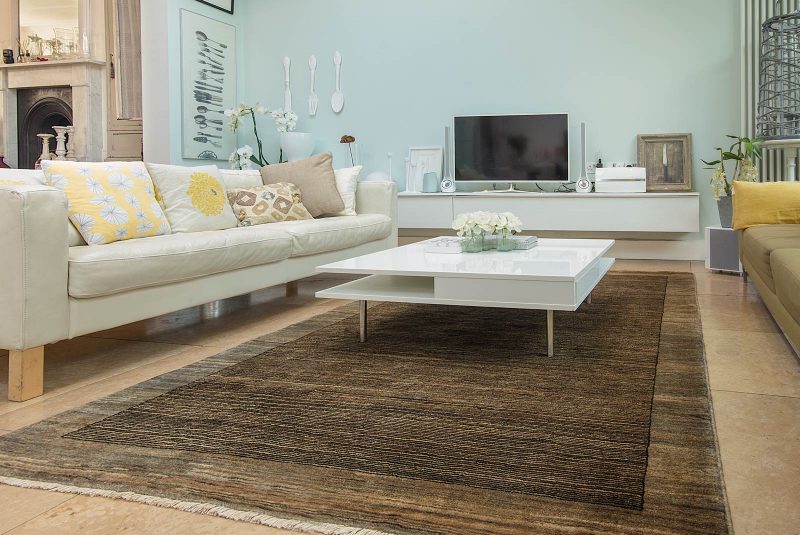
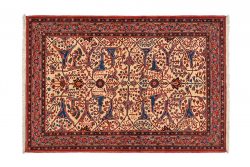 The Senneh knot is a type of asymmetric knot or double knot that is quite popular among rug weavers in Iran, Central Asia, India, China, Pakistan, and Afghanistan. The yard is draped around two warp strands but only one of these warps is completely encircled to create this kind of knot. The yarn is then passed open behind the adjoining warp in such a way that the two ends have only a single warp dividing them. The knot could be wrapped in either direction and are said to be open either to the right or open to the left. Rugs that have very fine detailing usually use Senneh knot.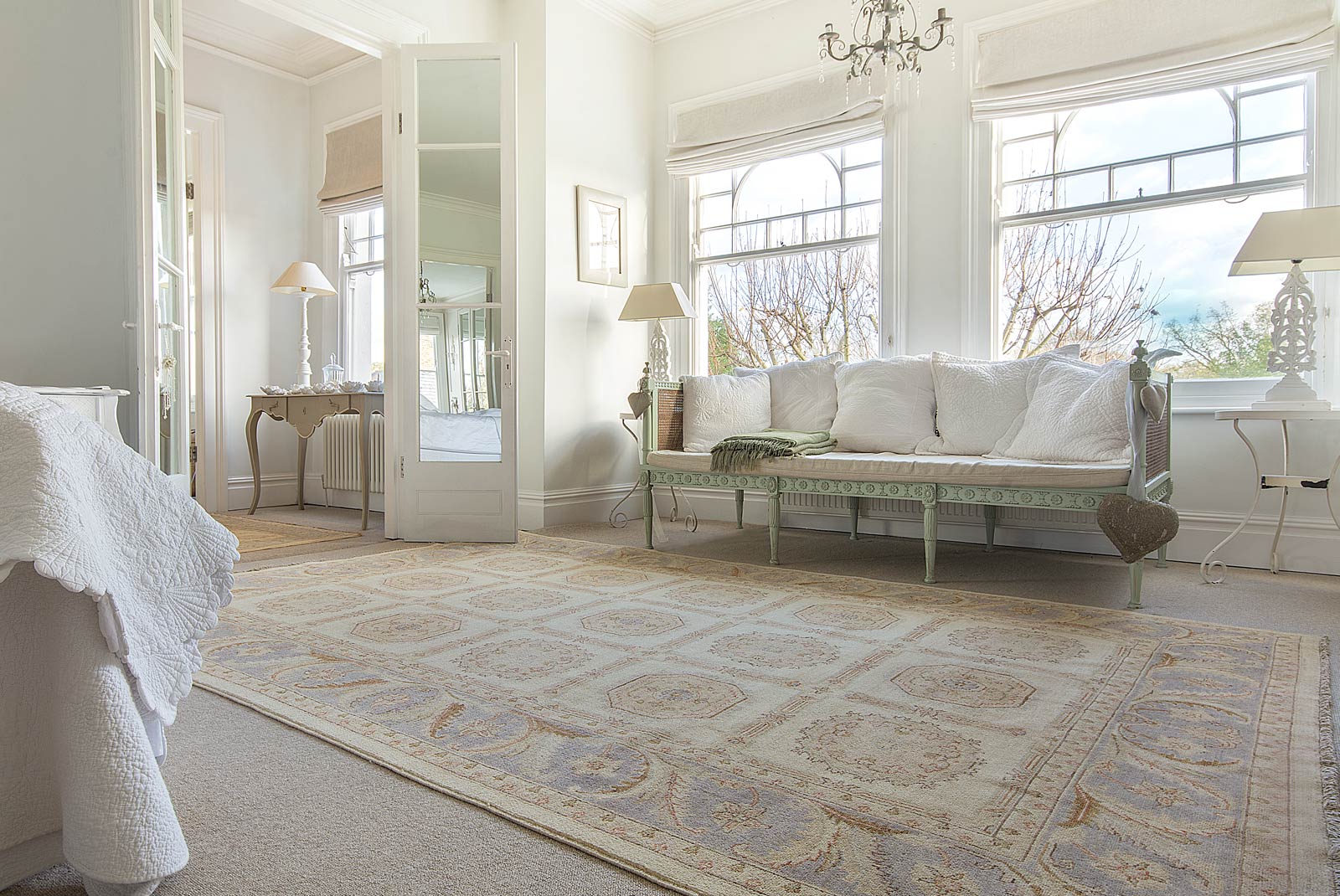
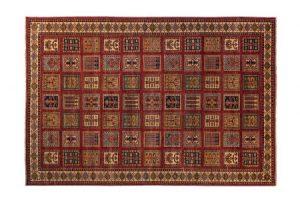 Select the size of the rug very carefully. To enhance the décor of the room the rug should be anchored under the furniture of the room. For spaces such as the living, dining and bedroom, a larger rug that sits under multiple pieces of furniture, brings the pieces together to create a cohesive effect. But when a rug serves a particular purpose then it can sit in the middle of the room like keeping the floor dry in the bathroom or separating the area. Rugs also help to define areas so place them wisely.
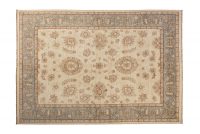 The intricate design of the rug and its vibrant natural tones can complement the rather plain décor of the room and make it look exciting. If you have a muted design that is very minimal you can choose a rug with a pop colour or add a contrast in texture to balance the effect. A room that has dormant colours can be decorated with a vibrant rug to add some flavour to it and make a statement.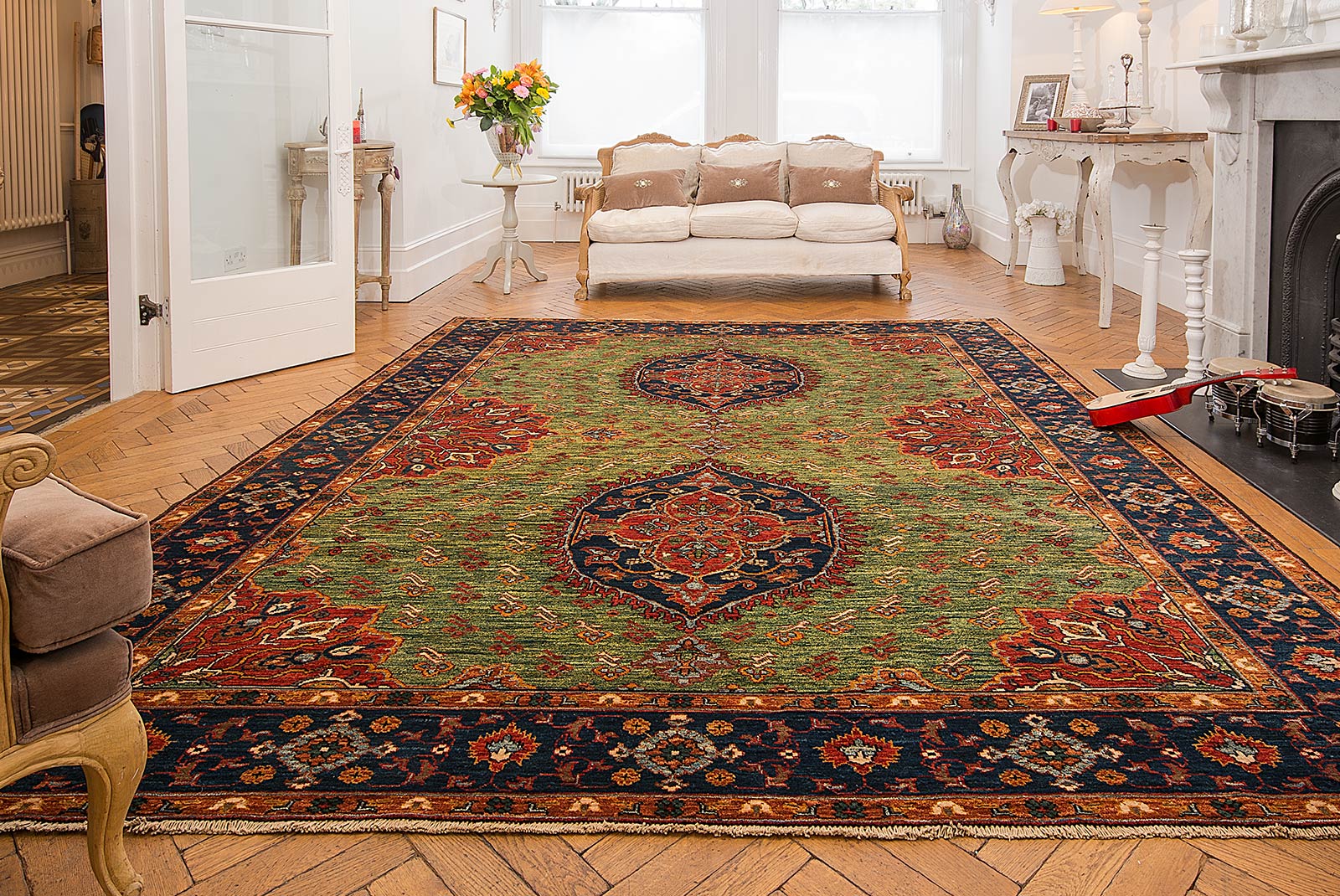
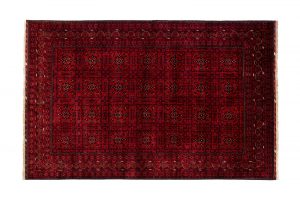 resources like indigo plants, the bark of trees, fruits and insects.Natural dyes might fade with time or when exposed to sunlight but even the faded effect accentuates the beauty and value of the rug. Synthetic dye lasts longer than natural dyes when exposed to sunlight. If you want more variety in colors then go for synthetic dye. Natural dye softens and harmonizes the appearance of the rug and gives it a traditional look.